
The truth is that no prenatal can replace a nourishing diet, and no single formula will be perfect for every person. But a well-designed prenatal can help cover important nutritional gaps before and during pregnancy, when the demand for certain nutrients increases and getting everything from food is not always realistic. Morning sickness, food aversions and the sheer logistics of feeding yourself while growing a human tend not to respect the meal plan.
Australian research shows just how difficult those nutritional demands can be to meet. In a study of 857 pregnant women, 61% described their diets as healthy, yet not one met the recommendations for all five food groups. Fewer than 10% consumed the recommended serves of vegetables, grains or protein-rich foods.
So, what should you actually look for? Here is a practical, evidence-informed guide to reading a prenatal label without needing a nutrition degree.
When should you start taking a prenatal?
Ideally, before you see two lines on a test.
Australian pregnancy care guidance recommends folic acid supplementation beginning before conception because the neural tube – the structure that develops into a baby’s brain and spinal cord – forms very early in pregnancy, often before you know you’re pregnant. For people without additional risk factors, Australian guidance generally recommends 400–600 micrograms of folic acid daily, starting at least four weeks before conception and continuing through the first 12 weeks of pregnancy.
Some people need a higher folic acid dose, including those with particular medical histories, medicines or risk factors. That decision should be made with a GP, obstetrician, midwife, pharmacist or accredited practising dietitian rather than by choosing the bottle with the biggest number.
If you are already pregnant and have not started a prenatal, don’t panic. Start the conversation with your healthcare practitioner now. Prenatal nutrition is not a pass-or-fail test, and beginning later is still useful.
What should a high-quality prenatal contain?
Start with the nutrients that matter, then look at their amounts. A long ingredient list is not automatically a better ingredient list.
Folate in a meaningful dose
Folate, or vitamin B9, supports cell division and early foetal development. Folic acid is the supplemental form with the strongest public-health evidence for reducing the risk of neural tube defects. Some prenatals use 5-MTHF, a biologically active form of folate, while others use folic acid or a combination.
The important questions are not simply whether the front of the bottle says “methylated” or “bioavailable”, but whether the product provides an appropriate daily amount and whether it suits your individual needs. If you have previously had a pregnancy affected by a neural tube defect, take certain medicines, have diabetes or have another relevant risk factor, seek personalised advice about dosage.
Iodine
Iodine is needed to make thyroid hormones and supports a baby’s brain and nervous system development. Australian guidance recommends a daily supplement containing 150 micrograms of iodine for most people who are planning pregnancy, pregnant or breastfeeding. Total needs during pregnancy are higher because iodine also comes from food.
If you have a thyroid condition, speak to your doctor before supplementing with iodine. This is a good example of why “more” is not always better.
Choline, and enough of it to count
Choline is involved in foetal brain and nervous system development, yet it is often absent from prenatal formulas or included only in small amounts. The Australian adequate intake for choline during pregnancy is 440 mg per day from food and supplements combined. Yet Australian research found that only 23% of pregnant women met that recommendation, while just 2.6% took a daily supplement containing choline.
Eggs, meat, fish, dairy, soybeans and some legumes are dietary sources, but intake varies considerably. When comparing prenatals, check the actual milligrams of choline in the full daily dose, not just whether the word appears on the label. If a formula contains little or no choline, consider your dietary intake and discuss the gap with a qualified practitioner.
Vitamin B12 in a form and dose appropriate for you
Vitamin B12 supports red blood cell formation and neurological development. It deserves particular attention if you eat a vegetarian or vegan diet, have a condition affecting absorption, have had bariatric surgery or use certain medicines.
A prenatal may contain B12, but an existing deficiency can require a different dose or treatment plan. Blood testing and practitioner guidance matter more here than marketing language about a particular form.
Vitamin D based on your needs
Vitamin D supports bone health and calcium metabolism. Low levels are more likely in people with limited sun exposure, darker skin, clothing that covers most of the body, or certain health conditions. Some prenatal products contain vitamin D, but supplementation needs can vary, so your maternity care provider may recommend a blood test or a specific dose.
Iron, but not necessarily in every prenatal
Iron requirements increase during pregnancy, and iron deficiency is common. In fact, one Australian study of 4,420 women found that almost one in five began pregnancy with iron deficiency. But that does not mean every person needs the same supplemental dose from day
one.Iron status is best considered alongside blood results, diet, symptoms and clinical history. Supplemental iron can also cause nausea, constipation and other gastrointestinal symptoms, particularly relevant when pregnancy may already be delivering all three.
Some people benefit from a prenatal containing iron. Others may be better suited to an iron-free prenatal with iron prescribed separately if blood tests show it is needed. Separating the two allows the iron dose and timing to be adjusted without changing the rest of the prenatal. The best approach is individual, not ideological.
Omega-3 DHA: check your diet as well as your prenatal
DHA is an omega-3 fatty acid involved in foetal brain and eye development. Not every prenatal multivitamin includes DHA, and its absence does not automatically make the formula poor quality. It may be supplied separately, which can make dose, dietary preferences and oxidation control easier to manage.
Consider how often you eat low-mercury oily fish and ask your healthcare practitioner whether a separate DHA supplement is appropriate for you, particularly if you eat little or no seafood.

What else should you look for on the label?
The full daily dose
Always check the serving size. The amounts shown may apply to two or three capsules rather than one. A nutrient can feature prominently on the front of the pack while appearing at a token dose in the nutrition panel.
Clear amounts, not just impressive ingredient names
A transparent label should tell you the form and amount of each active ingredient in the recommended daily dose. Proprietary blends can make it difficult to know whether individual ingredients are present in useful quantities.
Tolerability you can live with
The most theoretically perfect prenatal is not useful if you cannot keep it down or take it consistently. Consider capsule size, number of capsules, smell, whether capsules can be opened, and whether ingredients such as iron worsen nausea or constipation for you.
Appropriate Australian registration
Prenatal supplements supplied as medicines in Australia should display an AUST number showing they are entered on the Australian Register of Therapeutic Goods.
It is worth understanding what that number means. An AUST L product is a listed medicine: its sponsor must meet regulatory requirements and hold evidence for its claims, but the product is not individually evaluated by the TGA for efficacy before sale. AUST L(A) and AUST R medicines have undergone a higher level of pre-market efficacy assessment. An AUST L number is important, but it is not a TGA endorsement or proof that one prenatal is clinically superior to another.
Evidence and expert review
Look beyond vague phrases such as “science-backed”. Does the company explain why each nutrient is included, at what dose, and which evidence informs the formulation? Is the formula reviewed by appropriately qualified practitioners? Can the brand answer detailed questions without hiding behind wellness language?
Independent quality testing, manufacturing standards, formulation transparency and access to qualified clinical expertise are more meaningful signals than the number of claims printed on the front of the bottle.

What should you avoid in a prenatal?
Be cautious of:
- formulas that rely on a very long ingredient list but provide tiny amounts of key nutrients;
- high-dose nutrients without a clear clinical reason;
- preformed vitamin A, or retinol, at potentially excessive levels—too much can be harmful during pregnancy;
- herbal ingredients that have not been established as appropriate in pregnancy;
- doubling up across a prenatal, individual supplements, fortified powders and wellness products without checking the combined total;
- claims that a supplement can replace a varied diet or guarantee a particular pregnancy outcome.
Bring every supplement you take—including gummies, greens powders and herbal products — to an appointment with your GP, midwife, obstetrician, pharmacist or dietitian. “Natural” does not automatically mean pregnancy-safe, and nutrients can add up across several products.
A simple prenatal checklist
When comparing two products, ask:
- Does it provide an appropriate amount of folate?
- Does it include the recommended supplemental iodine, unless iodine is unsuitable for me?
- Does it contain a meaningful amount of choline, or do I have a plan to obtain enough through food and/or separate supplementation?
- Are the ingredient forms and exact doses clearly disclosed?
- Is iron included or excluded for a considered reason—and does that approach suit my blood results and tolerance?
- Have I considered B12, vitamin D and DHA in the context of my diet and health history?
- Is it entered on the ARTG where required, with an AUST number on the label?
- Can I realistically take it every day?
- Has a qualified healthcare practitioner checked that it is suitable alongside my medicines, diet, health conditions and other supplements?
The bottom line
A high-quality prenatal is not the one with the loudest claims, the longest label or the highest dose of everything. It is a transparent, thoughtfully formulated product that covers important nutritional gaps in evidence-informed amounts, while leaving room for individual care.
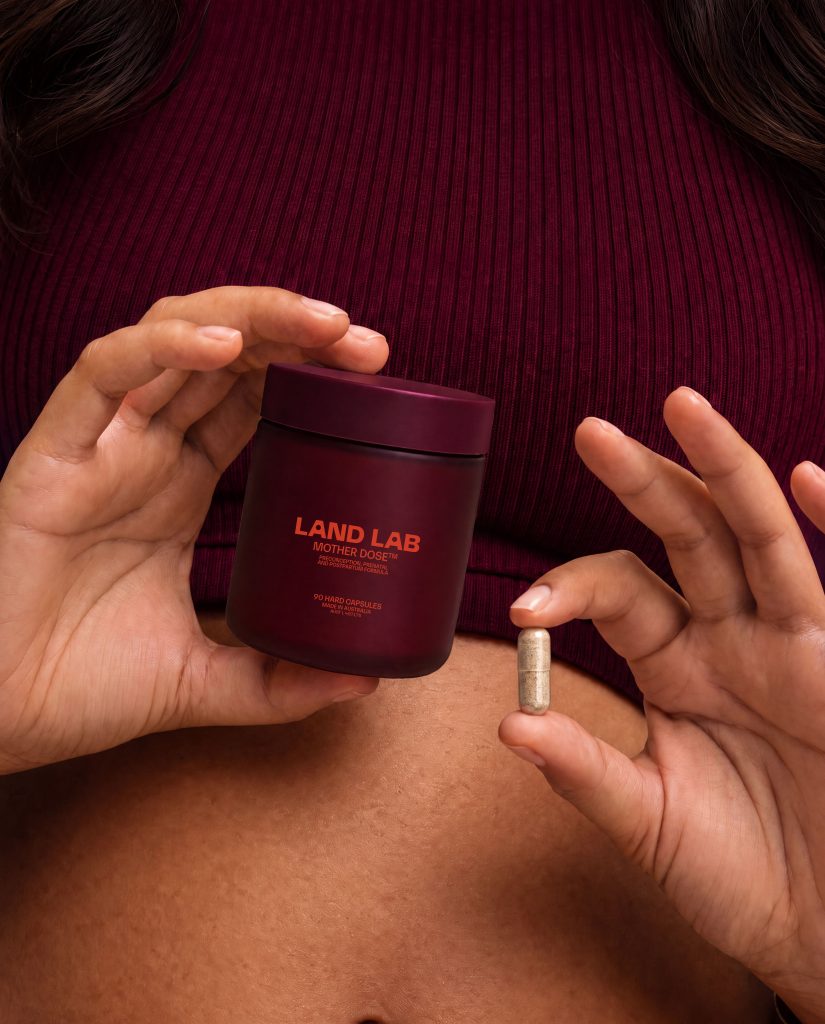
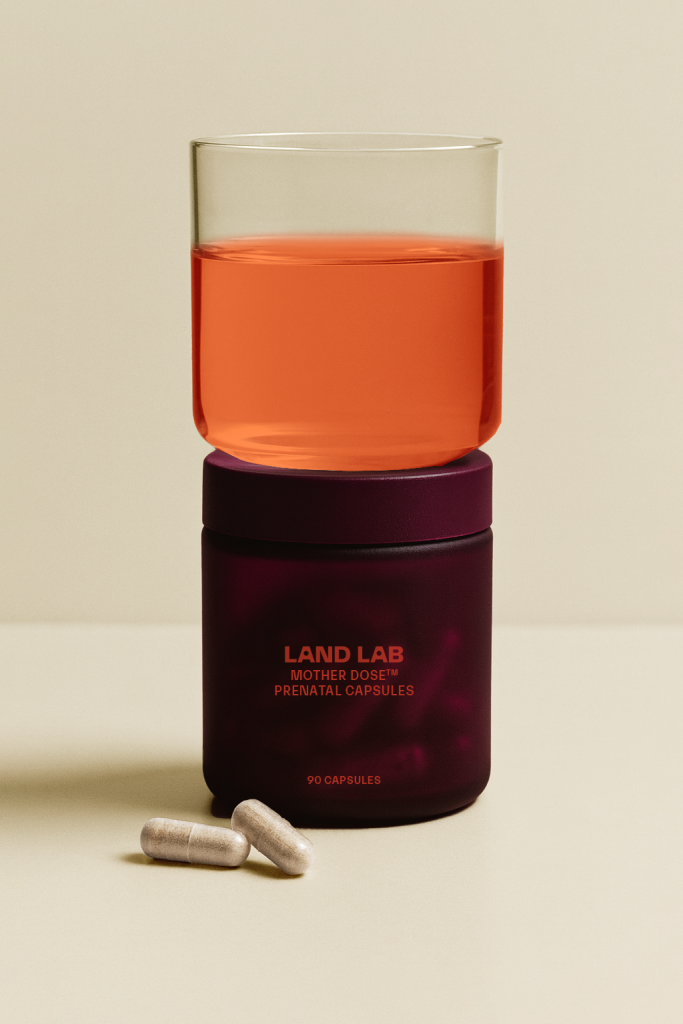
Mother Dose™ by Land Lab was developed around that principle. It provides 550 mg of choline per daily dose alongside folate, iodine, methylated B vitamins, chelated minerals, ginger and vitamin C from Kakadu plum. It is intentionally iron-free so iron can be assessed and supplemented separately when needed, and the formula has been reviewed by more than 75 Australian doctors, dietitians, naturopaths and midwives.
Whichever prenatal you choose, use the label as the beginning of the conversation, not the final word. Your nutritional needs can change from preconception to pregnancy and postpartum, and the right support should change with them.
This article provides general information only and is not a substitute for personalised medical or nutrition advice. Speak with your GP, obstetrician, midwife, pharmacist or accredited practising dietitian before starting or changing supplements, particularly if you have a thyroid condition, take medication, follow a restricted diet, have a history of nutrient deficiency or have been advised to take high-dose folic acid.
References
- Australian Government Department of Health, Disability and Ageing, Clinical Practice Guidelines: Pregnancy Care — folic acid supplementation guidance.
- NHMRC and New Zealand Ministry of Health, Nutrient Reference Values for Australia and New Zealand — choline, iodine and iron pregnancy reference values: eatforhealth.gov.au/nutrient-reference-values.
- Pregnancy, Birth and Baby, Folate and pregnancy: pregnancybirthbaby.org.au/folate-and-pregnancy.
- Pregnancy, Birth and Baby, Anaemia in pregnancy: pregnancybirthbaby.org.au/pregnancy/health-conditions-and-complications/anaemia-in-pregnancy.
- Therapeutic Goods Administration, AUST numbers on medicine labels: tga.gov.au/products/medicines/labelling-and-advertising/medicines-and-biologicals-labelling-and-packaging/aust-numbers-medicine-labels.
- Therapeutic Goods Administration, Listed medicines: tga.gov.au/products/medicines/listed-medicines/overview/listed-medicines.
- Malek, L., Umberger, W. J., Makrides, M., & Zhou, S. J. (2016). Adherence to the Australian dietary guidelines during pregnancy: Evidence from a national study. Public Health Nutrition, 19(7), 1155–1163. https://doi.org/10.1017/S1368980015002232
- Staskova, L., Marx, W., Dawson, S. L., et al. (2023). The distribution of dietary choline intake and serum choline levels in Australian women during pregnancy and associated early life factors. European Journal of Nutrition, 62(7), 2855–2872.
https://doi.org/10.1007/s00394-023-03186-w - Khambalia, A. Z., Collins, C. E., Roberts, C. L., Morris, J. M., Powell, K. L., Tasevski, V., & Nassar, N. (2016). Iron deficiency in early pregnancy using serum ferritin and soluble transferrin receptor concentrations are associated with pregnancy and birth outcomes.
European Journal of Clinical Nutrition, 70(3), 358–363.
https://doi.org/10.1038/ejcn.2015.157
-
Welcome to the First Trimester
$67.00An informative and comforting 5-part audio course guiding you through the first 12 weeks of pregnancy.


How to Choose a Prenatal Vitamin: What Actually Matters (and What’s Mostly Marketing)

What is infertility?


10 Questions To Ask Your Care Provider

